
The summary
In the room

Availability, overall risk, confidence, and one recommended action in one sentence. Read in the time it takes the patient to lace up.
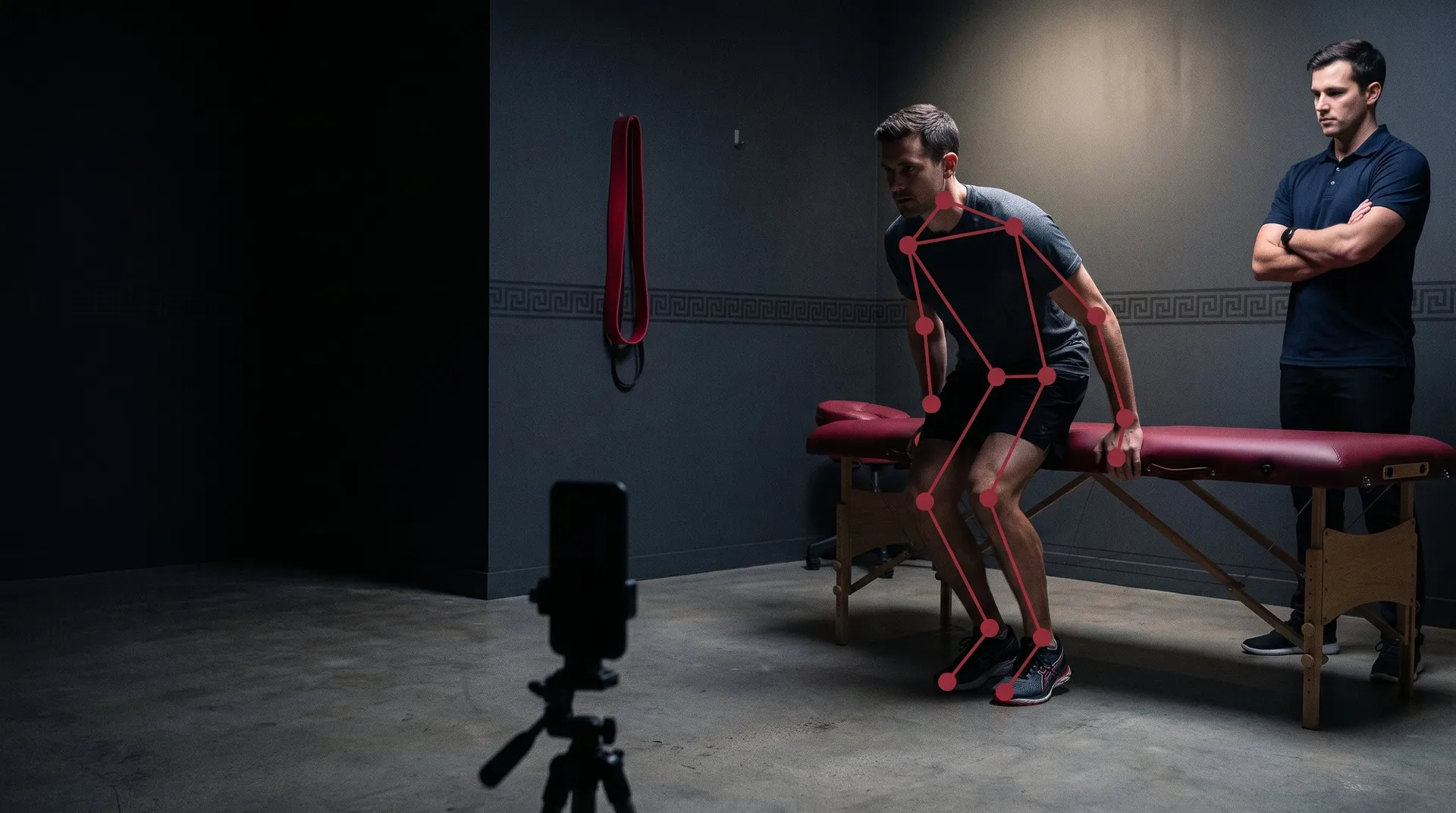
Advisory movement intelligence for physiotherapy, orthopedic recovery and sports medicine, from the video you already film.


Phone or tablet video, MP4 up to 2 GB. Start Assessment sits at the top of the dashboard. No markers, no motion-capture lab.


One to ten people detected per clip. You confirm who is who, and each one lands on your caseload with their own baseline.


Asynchronous, in the cloud, after upload. Joint-level kinematics in every frame, about two minutes from clip to report. Poor resolution or occlusion returns Not scored, never a guess.


Advisory findings and a recommended action, next to the video evidence. You decide the intervention.
Every assessment lands on the same rail. The line is the patient against their own record, not a population.
One session came back Not scored: the footage could not carry it. The rail keeps the gap instead of drawing across it.


Availability, overall risk, confidence, and one recommended action in one sentence. Read in the time it takes the patient to lace up.


The working behind the sentence: each leg on its own, symmetry as an index, stabilisation in seconds. Nothing is rounded into a verdict.
The limits are the argument, not the small print.
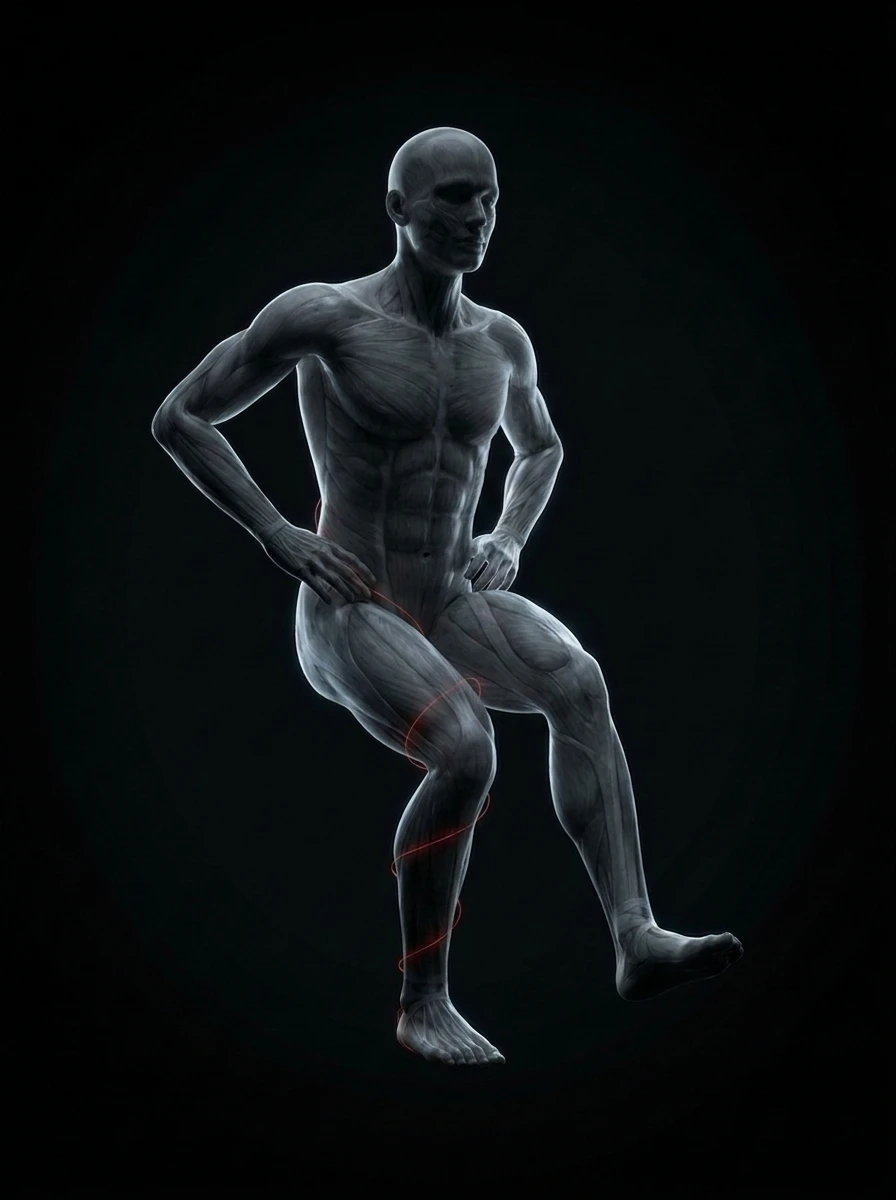
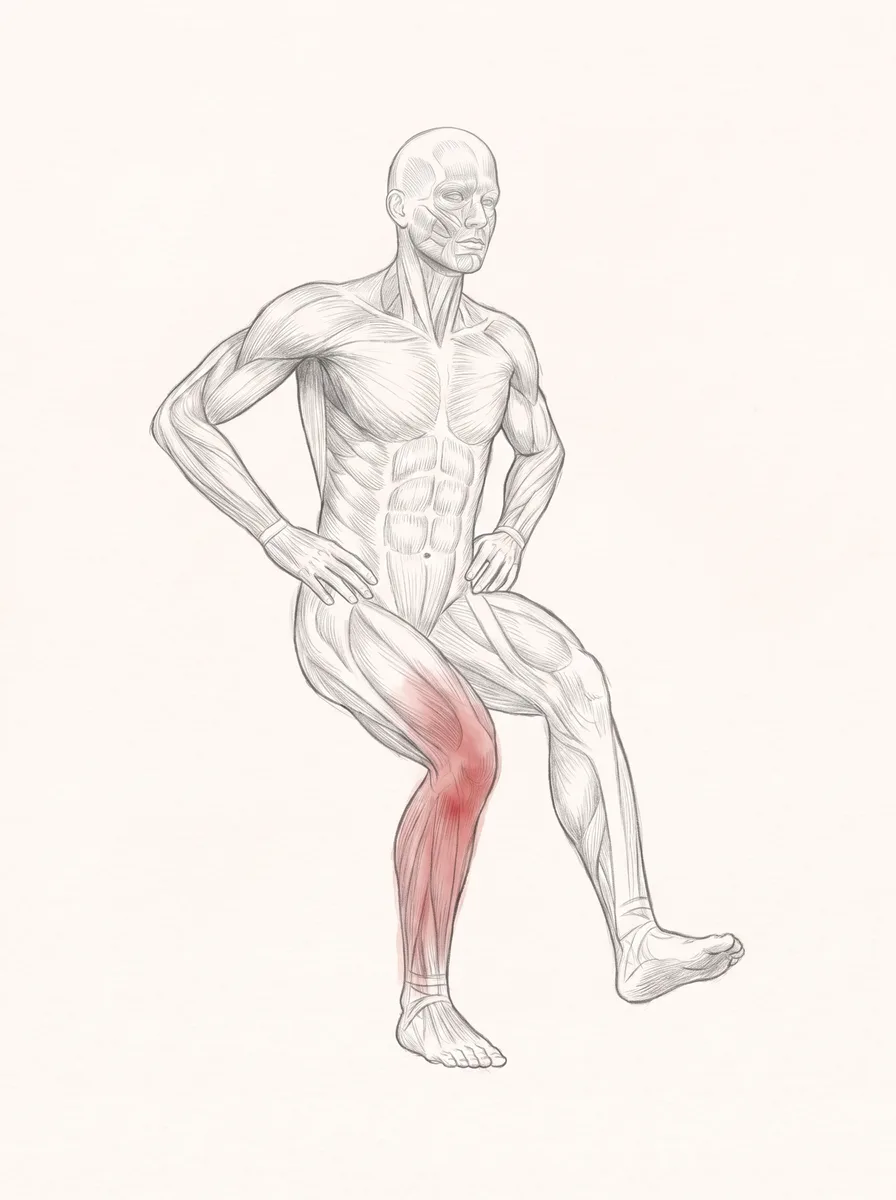
Left against right, one index per session.
Does notSay which side is the problem.
Knee alignment at landing, each leg on its own.
Does notSay the knee is injured, or healed.
How far the knee bends through the movement.
Does notClear anyone to return.
How long a landing takes to settle.
Does notMeasure load in the tissue.
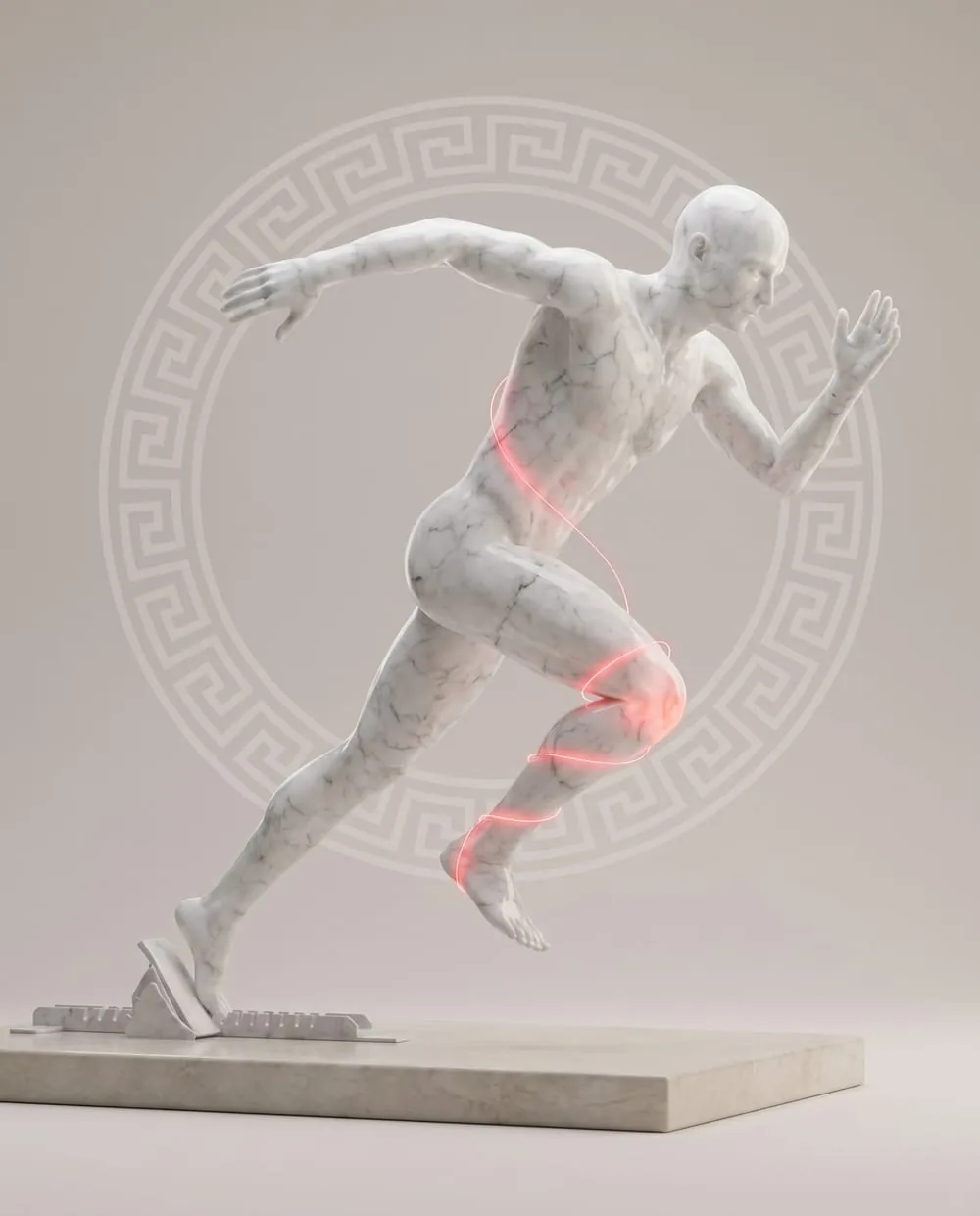 Player · Squad
Clubs, academies and federations. Film training on a phone; the coach gets an advisory finding per player.
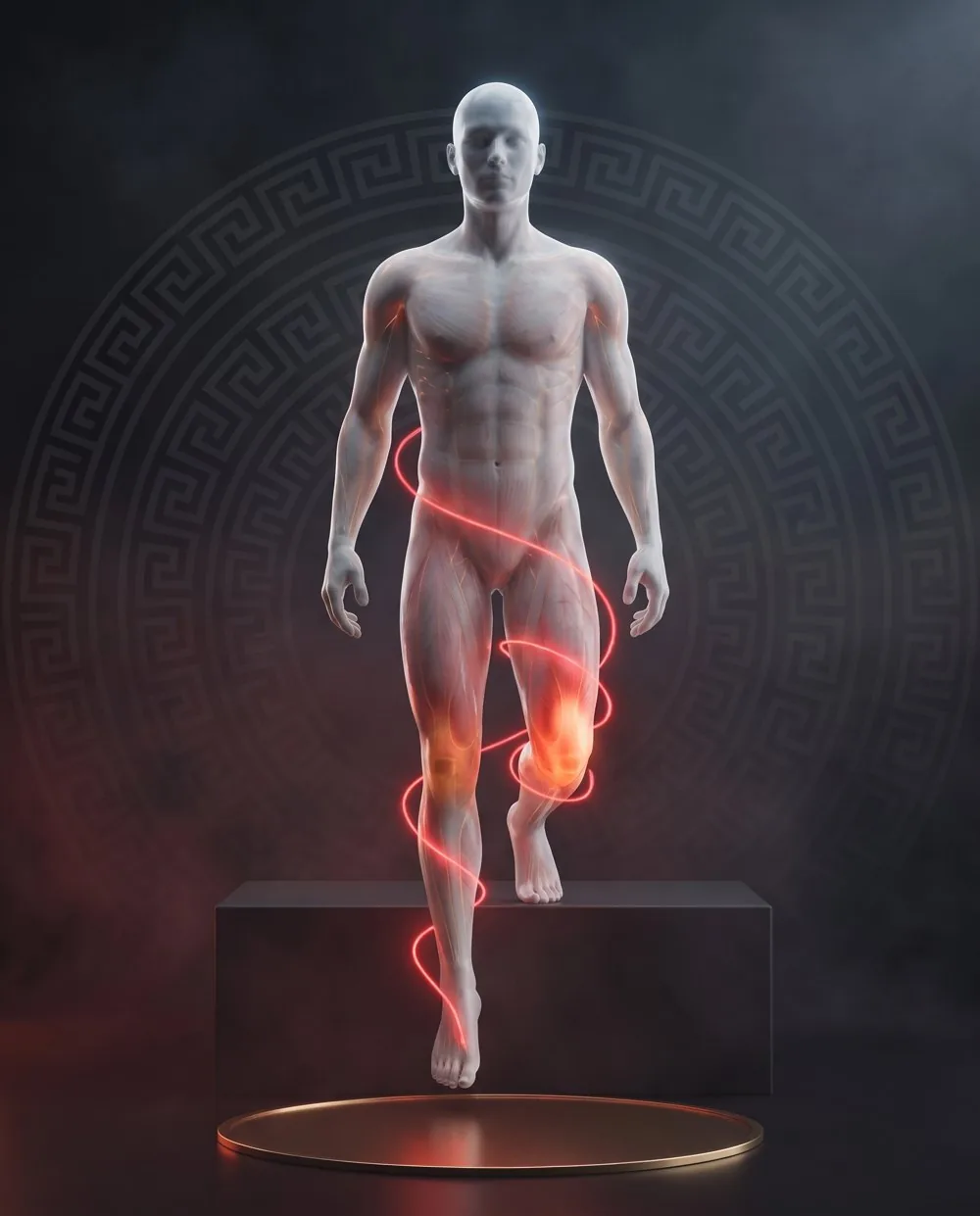
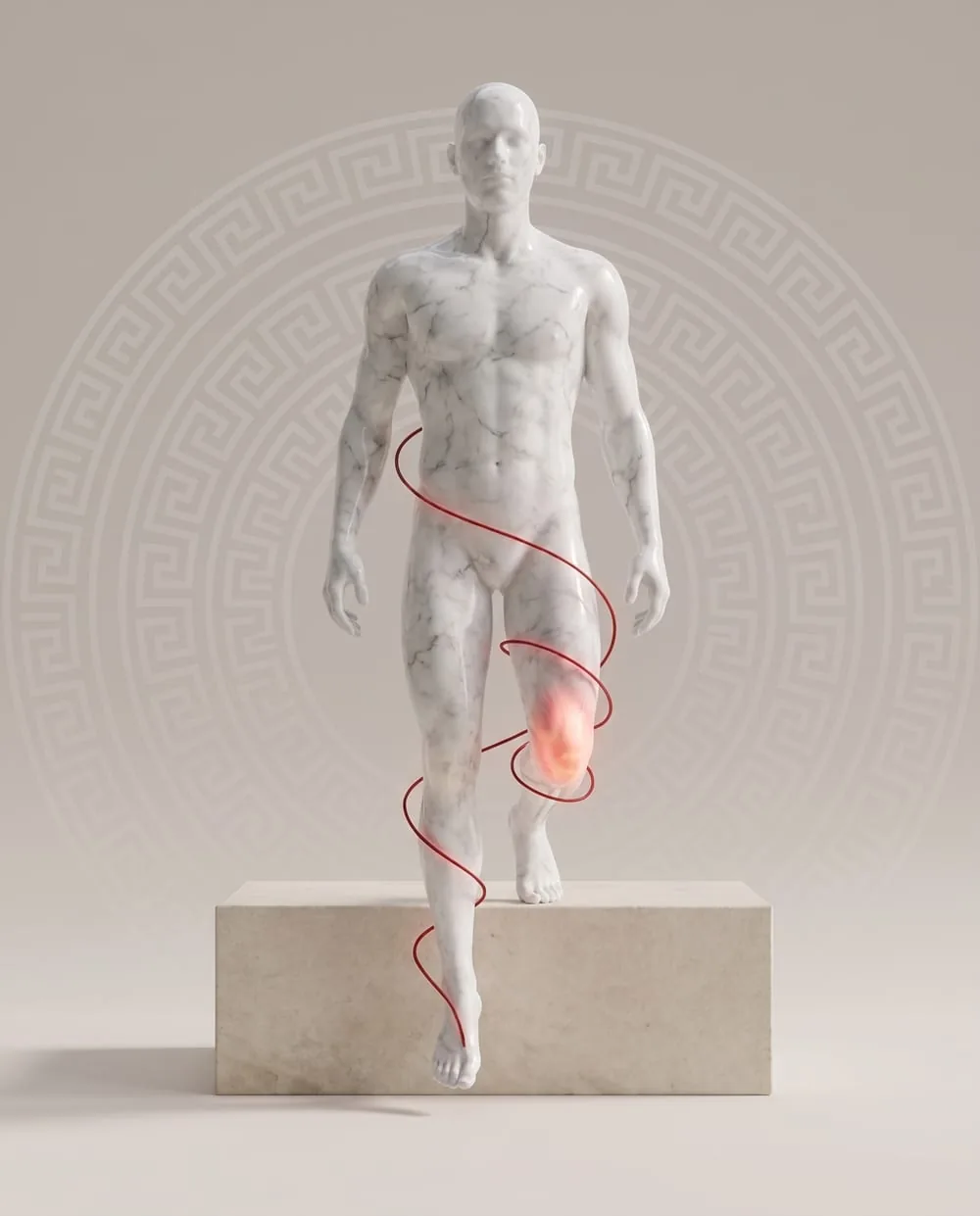 Patient · Caseload
Physio, orthopedic recovery and sports-medicine clinics. Return-to-movement against each patient's own baseline. Advisory, never a diagnosis.
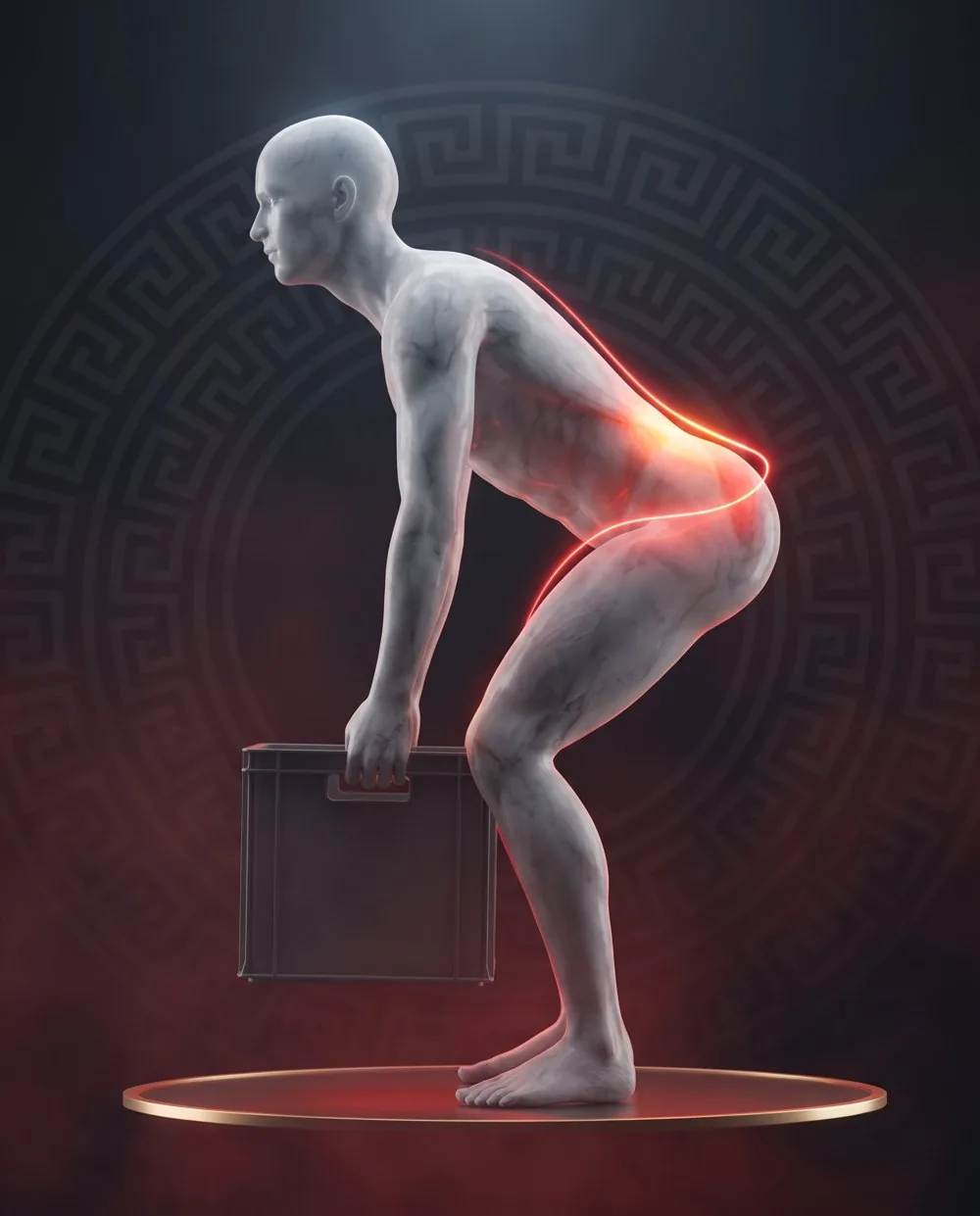
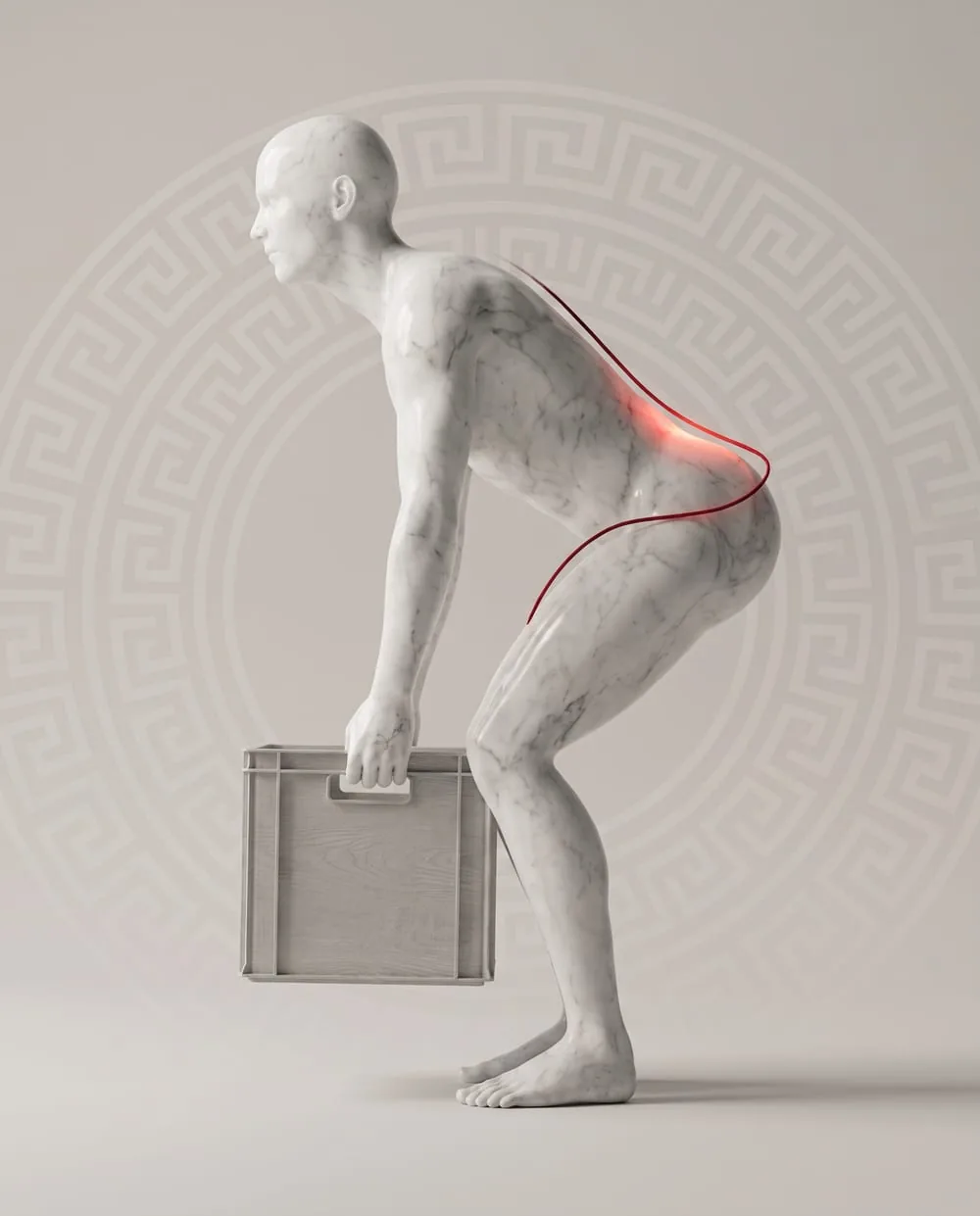 Worker · CohortNot available yet
Occupational health and safety teams. Strain and hazardous patterns, reported for the cohort, never as individual surveillance.
No. You upload a clip, confirm what it shows, and the analysis runs on its own. The report appears in the dashboard when it is finished.
Nothing is scored while the patient is moving, and nothing interrupts the session. The value is in what the clip shows once the pipeline has had time to read it properly.
How a clip is analysed →

Upload the video you already film. The analysis runs after upload, and the advisory report is waiting in your dashboard when it finishes.